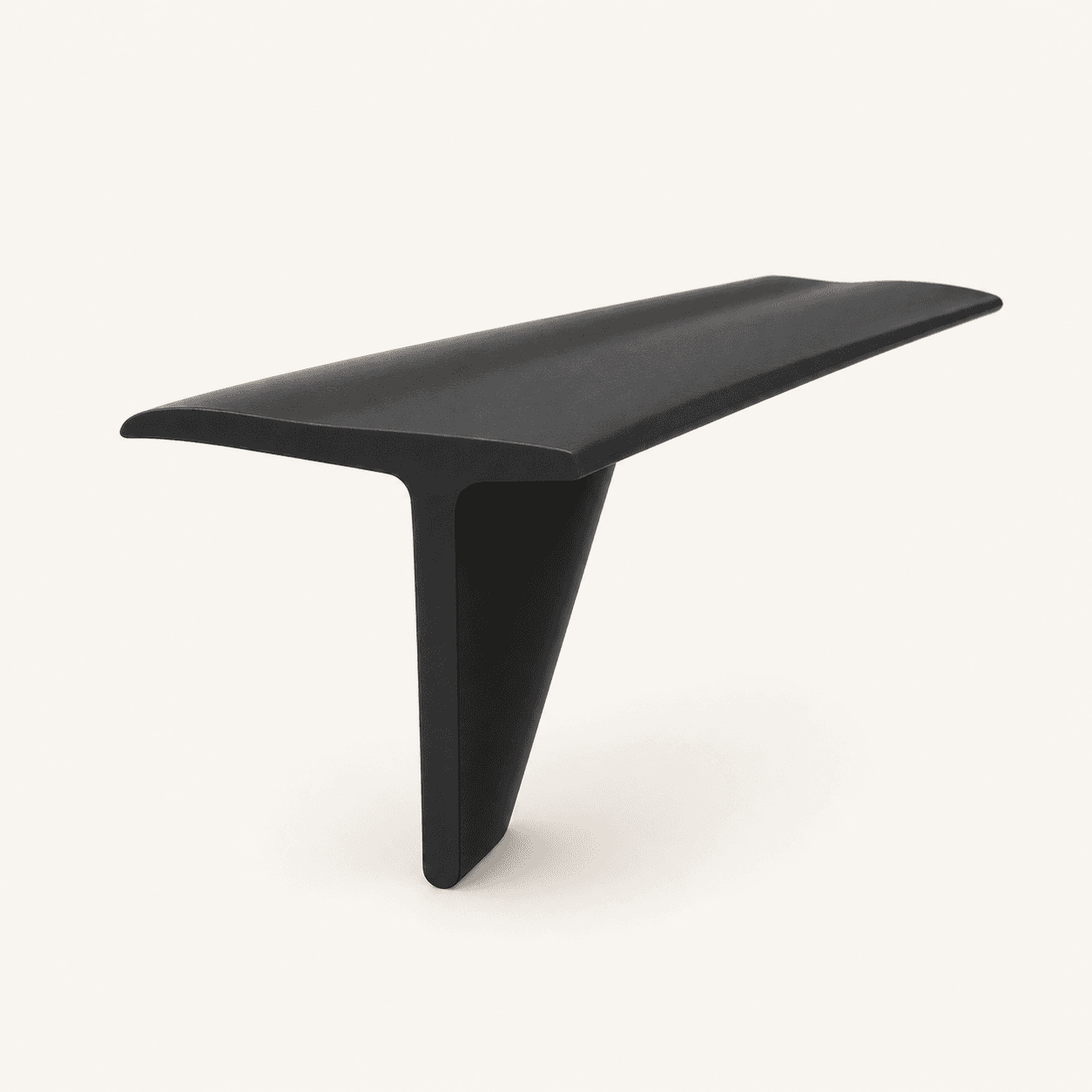
Measure gap width, usable length and height difference before choosing a stove gap cover. A single measurement at the front is not enough because many kitchen gaps change width from front to back.
What you need
- a tape measure or ruler;
- a note on your phone or a small piece of paper;
- scissors later, only if the cover needs to be trimmed.
Step 1: Measure the gap at three points
Measure the horizontal opening:
- near the front of the stove;
- at the middle;
- near the back.
Record the narrowest and widest measurements. FlexBridge is designed for counter gaps from 0.1 to 0.8 inches.
Step 2: Measure the usable length
Measure the straight section beside the stove where the cover will sit. Avoid including raised trim, control panels or curved sections that would prevent a flat bridge surface.
Choose:
- 21 inches for a 21-inch stove;
- 25 inches for a 25-inch stove.
If the available length is shorter, FlexBridge can be trimmed with scissors.
Step 3: Check the height difference
Look across the stove edge and countertop from the side. Note whether:
- the stove is higher;
- the countertop is higher;
- the surfaces are almost level.
This matters because a flat cover may not sit correctly when the surfaces are uneven. A bridge-style profile is designed to span the change in height.
Step 4: Check the surrounding heat source
Make sure the planned position is clear of open flames and exposed heating elements. The cover should not interfere with controls, burners or ventilation.
Final fit check
After installation, press along the length to confirm that the bridge is supported and the lower rib is seated inside the gap. Recheck the position before cooking.